Collapsed Drains in Eastleigh: Signs, Causes and Repair Options
Living in Eastleigh or its surrounding Hampshire towns brings many benefits, but it also means dealing with typical drainage issues that can affect local homes. One of the most troublesome problems homeowners face is collapsed drains. These blockages and breaks in underground drainage pipes can cause extensive damage to properties if left untreated.
Understanding what a collapsed drain is, how to spot the warning signs early, and what causes these issues is crucial. This guide will help Eastleigh residents and those in nearby areas like Hedge End, Bishopstoke, and Fair Oak identify and address collapsed drains before they escalate.
What Is a Collapsed Drain?
A collapsed drain occurs when a section of underground drainage pipe fails structurally, often due to breakage, crushing, or deformation. This means water and waste cannot flow through the pipe as intended, leading to blockages and drainage problems. Collapsed drains are different from simple blockages caused by debris; the pipe itself is physically damaged.
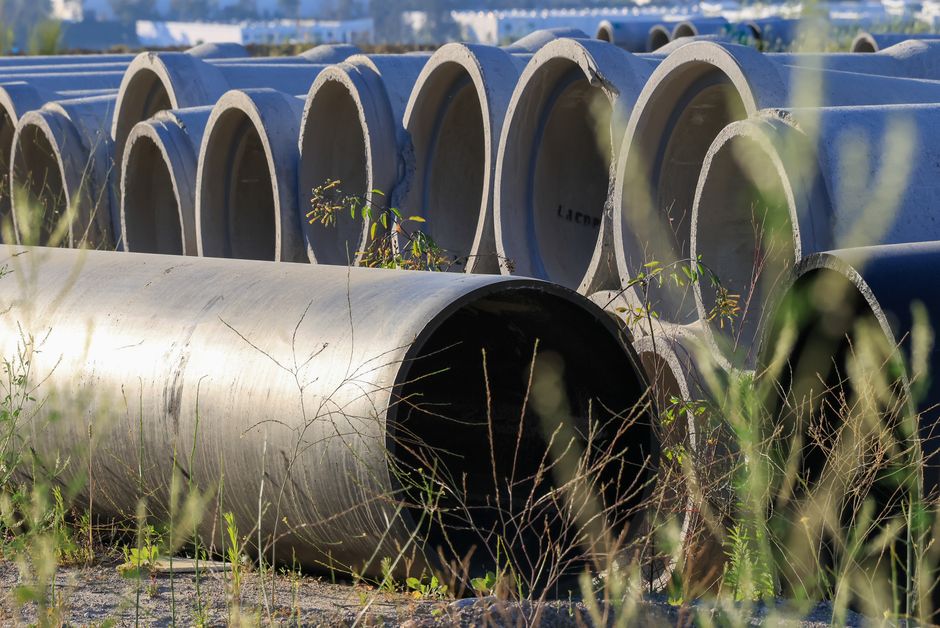
Drains in Eastleigh and surrounding Hampshire areas are typically made from materials such as clay, concrete, or plastic. Over time, these materials can deteriorate or become compromised due to ground movement or external pressure. When a drain collapses, it often requires professional inspection and repair rather than just clearing a blockage.
Because drainage networks beneath properties are mostly hidden, recognising a collapse early is vital to avoid larger issues like internal flooding or structural damage.
Signs of a Collapsed Drain Around Your Property
Homeowners in Eastleigh, Botley, or West End should watch out for several common symptoms that suggest a drain collapse. Frequent and persistent blockages, especially if clearing doesn’t solve the problem, can indicate pipe damage. Waste water may back up into sinks, toilets, or baths, signalling flow obstruction.
Damp patches or foul smells around the garden or near the property’s foundation also raise red flags. A collapsed drain can leak sewage or wastewater into the surrounding soil, causing unpleasant odours and ground dampness. In lawns or driveways, noticeable subsidence or small sinkholes forming above underground drains can confirm pipe failure.
In places like Hamble-le-Rice or Netley, where older properties are common, these signs might be more prevalent due to ageing drainage systems. Promptly addressing these warning signs can prevent further damage to your home and garden.
Common Causes of Collapsed Drains in Eastleigh and Hampshire
Several factors contribute to drain collapses in the Eastleigh area. One key cause is ground movement. Hampshire’s clay soils expand and contract with seasonal moisture changes, exerting pressure on buried pipes. Over time, this can cause cracking or crushing of rigid drains, especially older ones made from clay or concrete.
Tree root intrusion is another frequent problem. Roots from trees and shrubs common in local gardens often seek out water in drainage pipes. As roots grow inside or around pipes, they can crack the pipe walls or cause blockages severe enough to collapse sections of the drain.
Heavy vehicle traffic near properties, such as delivery lorries or construction machinery in areas like Fair Oak or Bishopstoke, can also place excessive load on underground drains. If the pipe wasn’t designed or installed to handle such pressure, this can lead to collapse.
How Professionals Diagnose Collapsed Drains
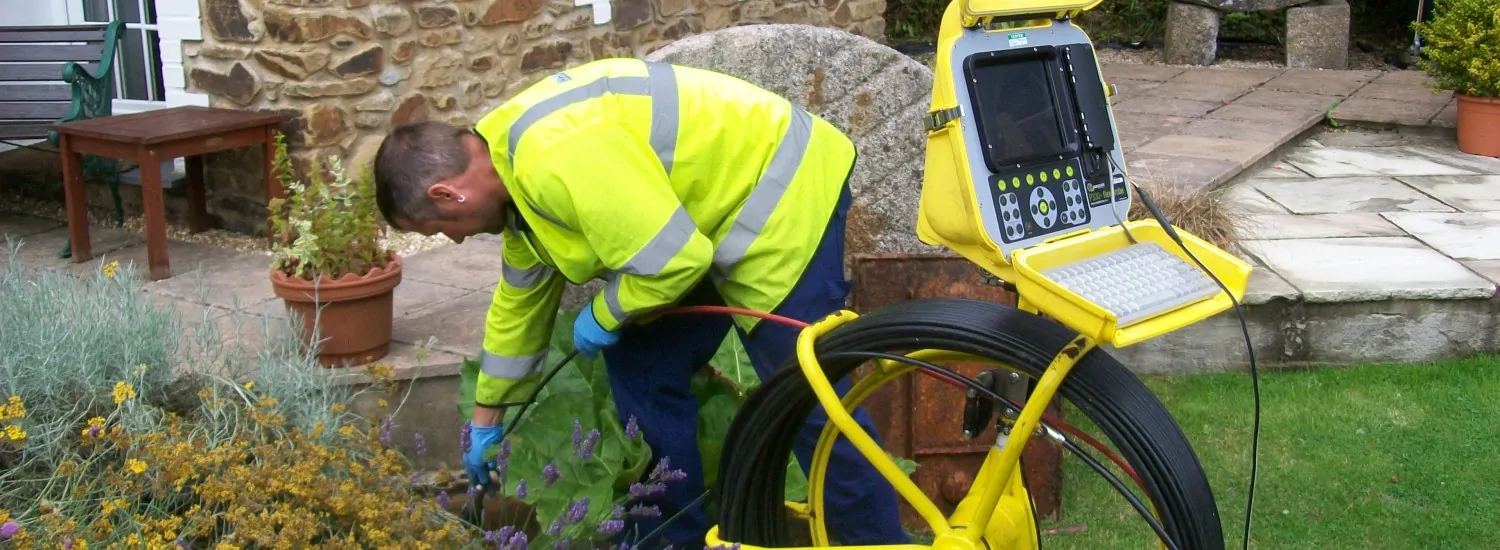
When collapse is suspected, drainage specialists use several diagnostic tools to confirm the problem’s location and extent. In Eastleigh and neighbouring towns, CCTV drain surveys are the most common and effective method. A small waterproof camera is pushed through the drain pipe, providing real-time images that reveal cracks, breaks, root intrusion, and blockages.
This non-invasive technique allows technicians to pinpoint the exact section affected without unnecessary excavation. In some cases, drain tracing or smoke testing may be used to detect leaks or breaches in the drainage network.
By accurately diagnosing the issue, repair work can be targeted precisely, saving time and reducing disruption to the property and garden.
Repair Options for Collapsed Drains in Eastleigh Homes
Repairing a collapsed drain depends on the damage severity and location. Traditional repair often involves excavation to expose the damaged pipe section, removal of the broken pipe, and replacement with new materials. While effective, this method can be disruptive, especially in gardens or driveways common in Eastleigh and surrounding Hampshire areas.
Trenchless repair technologies are increasingly popular alternatives. Methods like pipe lining or pipe bursting allow repair or replacement of damaged pipes without extensive digging. A resin-coated liner is inserted into the existing pipe, curing to form a new pipe inside the old one, or the old pipe is fractured and replaced by a new pipe pulled through.
These options reduce mess, lower costs, and speed up repairs. However, not all collapsed drains qualify for trenchless repair, so professional assessment is essential to determine the best approach.
Preventing Future Drain Collapses in Eastleigh and Nearby Towns
Taking proactive steps can help Eastleigh homeowners reduce the risk of collapsed drains. Avoid planting large trees or shrubs with invasive roots near drainage lines, especially in towns like North Stoneham or Otterbourne where garden sizes vary. Regularly inspect and maintain your drains, scheduling CCTV surveys every few years to catch early signs of damage.
Be mindful of heavy vehicles driving or parking over drainage pipes on private property or unpaved areas, as repeated pressure can weaken pipe integrity. Proper drainage design and installation when building or renovating will also ensure pipes withstand local ground conditions.
Consulting drainage professionals for advice tailored to Hampshire’s soil and climate conditions is a wise investment to protect your property from costly collapses.
Local Considerations for Eastleigh Homeowners Facing Drain Issues
Eastleigh and its neighbouring towns like Bursledon and Colden Common each have unique drainage challenges influenced by soil type, property age, and local planning regulations. Many older houses in these areas may still rely on aging clay pipe systems prone to collapse, while newer developments often use plastic pipes less susceptible to breakage.
Flooding risk in low-lying parts of Hamble-le-Rice or Netley means drains must be kept clear and fully functional to prevent property damage. Working with local drainage experts familiar with Hampshire’s environment ensures repairs comply with council guidelines and environmental standards.
Knowing the local drainage landscape helps homeowners make informed decisions and maintain a healthy drainage system suited to Eastleigh’s specific conditions.
Need a drainage expert in Eastleigh?
Call 023 8184 9826